

News
 (5.0)
(5.0)
Best Orbit Sanders for Beginners: Simple Buying Guide
Sanding might seem like a mundane part of woodworking, but for beginners, it's the bridge between rough surfaces and flawless finishes. Choosing the right orbit sander can turn a frustrating chore into an enjoyable, almost therapeutic experience.
This guide walks through the essential features, types, accessories, and beginner projects that make sanding both accessible and effective.
Features to Look for in a Beginner-Friendly Sander
Smooth operation, comfort, and ease of control are the hallmarks of beginner-friendly orbit sanders.
Here are key aspects to consider:
Random Orbital Motion: A sander with true random orbital motion ensures minimal swirl marks, making it ideal for beginners learning to refine surfaces.
Variable Speed Control: Adjusting speed helps match the sander to different materials, from soft pine to hardwoods.
Dust Collection System: Integrated dust collection not only keeps the workspace clean but also protects lungs from fine particles—a crucial safety feature.
Ergonomic Design: Lightweight bodies with soft-grip handles reduce fatigue during longer sanding sessions.
Ease of Sandpaper Attachment: Hook-and-loop or clamp systems make switching sanding pads fast and straightforward, perfect for beginners juggling multiple grits.

350W 125mm(5'') Orbital Sander
Types of Orbital Sanders
Not all orbital sanders are created equal. Understanding the main types can help beginners make informed choices:
Random Orbital Sanders: The most versatile choice, combining orbital and rotary motions for a smooth finish. Great for furniture refinishing and DIY projects.
Finishing Sanders: Smaller and lighter, ideal for delicate surfaces and detailed work. Best for trim and cabinetry.
Palm Sanders: Compact, comfortable for small hands, and suitable for tight corners or edges. Often used in hobby woodworking.
Each type offers unique advantages, but beginners usually find a random orbital sander the easiest to master, thanks to its forgiving motion and all-around utility.
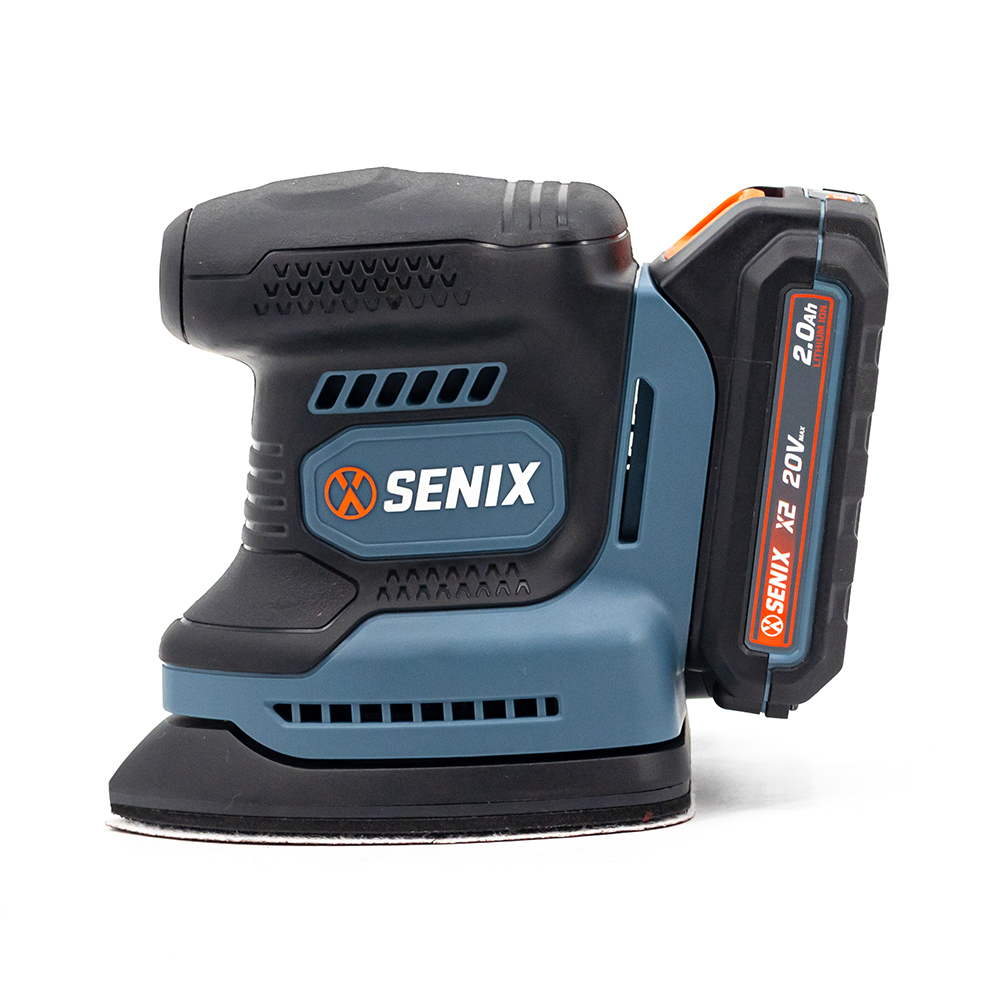
20V Brushed Orbit Detail Sander
Accessories that Make Sanding Easier
Accessories transform an ordinary sander into a more versatile, efficient tool.
Beginners should consider the following:
Sanding Pads: Different grits allow gradual progression from rough shaping to fine finishing.
Dust Bags or Canisters: For sanders without built-in collection, external dust bags prevent mess and maintain visibility.
Detail Attachments: Small pads and corner attachments help reach tight spaces and intricate designs.
Replacement Pads and Backing Plates: Ensure longevity of the sander and maintain consistent performance over time.
These extras may seem minor, but they significantly enhance comfort, precision, and overall project satisfaction.
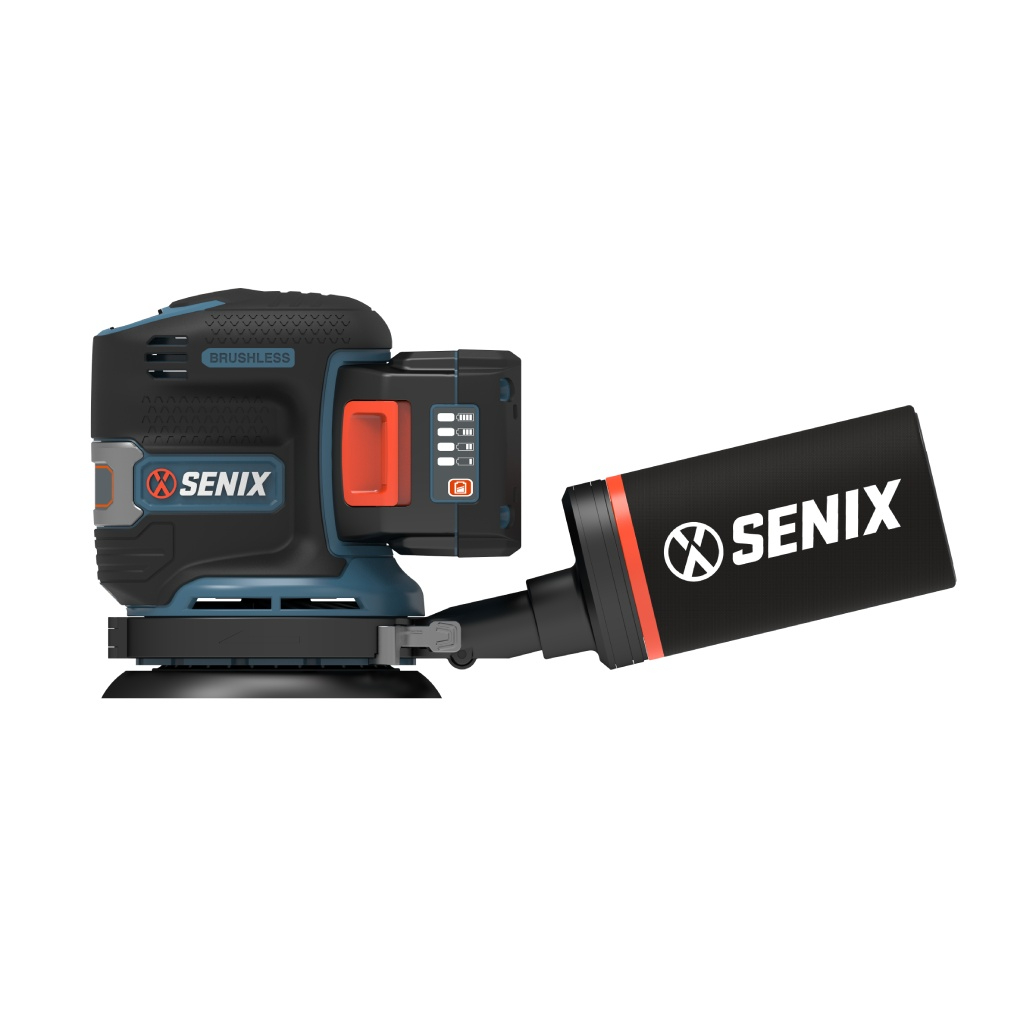
20V Brushless Random Orbit Sander
Simple Projects to Practice Your Sanding Skills
Practice makes perfect, and a few beginner-friendly projects can teach sanding fundamentals:
Wooden Coasters or Cutting Boards: Flat surfaces make it easier to control motion and grit transitions.
Picture Frames: Offers practice on corners and edges, improving handling of palm sanders or detail attachments.
Shelving Units: Larger surfaces allow experimentation with speed settings and pressure control, crucial for avoiding swirl marks.
Refinishing Old Furniture: Combines sanding, finishing, and safety practice, offering immediate visual feedback on skill improvement.
These projects are satisfying and build confidence while reinforcing safe sanding habits.
Choosing the best orbit sander for beginners involves more than picking the most popular model. Attention to features like random orbital motion, dust collection, ergonomic design, and versatile accessories ensures an enjoyable introduction to woodworking. Simple projects not only develop skills but also foster a deeper appreciation for craftsmanship. With the right tools and guidance, sanding becomes a rewarding step rather than a tedious chore, setting the foundation for years of confident DIY or professional woodworking.