

News
 (5.0)
(5.0)
Hedge Trimmer Safety Tips Every User Should Know
The following safety principles apply to both cordless and electric hedge trimmers and should be followed before, during, and after every use.
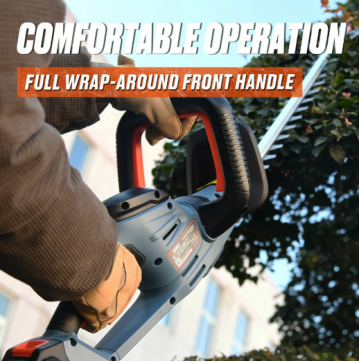
Wear Proper Protective Equipment
Before starting your hedge trimmer, always wear the right protective gear.
Recommended safety equipment includes:
Safety glasses to protect your eyes from debris
Cut-resistant gloves for a secure grip
Long sleeves and durable trousers
Non-slip, closed-toe shoes
Avoid wearing loose clothing, jewelry, or anything that could get caught in the blades.
Proper protective gear significantly reduces the risk of injury when trimming hedges.
Inspect the Tool Before Operation
A quick inspection prevents mechanical failure during use.
Check blades for damage or misalignment
Ensure bolts and fasteners are tight
Confirm battery or power connection is secure
Test the trigger and safety lock function
Never operate a hedge trimmer with dull, bent, or cracked blades. Regular maintenance improves both safety and cutting performance.

Maintain Stable Working Position
Loss of balance is a common cause of accidents.
Stand on stable, even ground
Avoid overreaching
Keep both hands on the handles at all times
Never use a hedge trimmer from a ladder unless specifically designed for extended reach
For tall hedges, use a pole hedge trimmer rather than elevating yourself unsafely.
Keep a Safe Cutting Zone
Maintain awareness of your surroundings.
Keep children, pets, and bystanders away from the work area
Clear the area of wires, stones, and hidden obstacles
Always cut away from your body
Never place hands near moving blades. Even dual-action blades can cause severe injury.
Use the Correct Cutting Technique
Controlled movement improves safety and results.
Trim vertically with a sweeping motion
Trim horizontally with slight upward arcs
Do not force the blades through thick branches beyond rated capacity
If branches exceed the tool’s cutting limit, switch to loppers or a pruning saw.
Power Management and Shutdown
Safe handling continues after trimming stops.
Turn off the unit before clearing debris
Remove the battery when transporting or storing
Allow blades to fully stop before setting the tool down
Never carry a hedge trimmer by the trigger handle with power engaged.
Storage and Maintenance
Good maintenance improves both safety and tool lifespan.
After each use:
Clean the blades
Apply light lubrication to prevent rust
Store the tool in a dry, secure location
Use a blade cover if available
Well-maintained equipment operates more predictably and safely.
Conclusion:
Using a hedge trimmer safely requires preparation, awareness, and proper technique.
By wearing protective gear, inspecting your tool, maintaining a stable position, and using correct cutting methods, you can significantly reduce the risk of injury.
Modern cordless hedge trimmers often include safety switches, ergonomic handles, and balanced designs to improve user control. When combined with responsible operation, these features help ensure safer and more efficient hedge trimming.
-
senix@senix.co