

News
 (5.0)
(5.0)
How to Sharpen Hedge Trimmer Blades
Keeping hedge trimmer blades sharp is essential for maintaining clean cuts and protecting the health of your plants. Dull blades can tear branches instead of cutting them smoothly, which may damage shrubs and reduce trimming efficiency. Regular maintenance, including sharpening, helps extend the life of your equipment and ensures better performance.
Why Sharpening Hedge Trimmer Blades Matters
Over time, hedge trimmer blades naturally become dull from cutting branches, leaves, and debris. When blades lose their sharp edge, the trimmer must work harder, which may lead to uneven trimming and increased strain on the motor or engine. Sharp blades allow the machine to cut smoothly and efficiently while reducing wear on internal components.
Routine sharpening also improves safety. A well-maintained hedge trimmer is easier to control and less likely to snag or jam during operation.
Step 1: Clean the Blades First
Before sharpening, thoroughly clean the hedge trimmer blades. Remove plant sap, dirt, and debris that may have accumulated during use. This step is important because debris can interfere with sharpening and reduce the effectiveness of the process.
After cleaning, lightly moisten the blades before using a whetstone. Moisture helps the sharpening process run more smoothly and protects the blade surface.
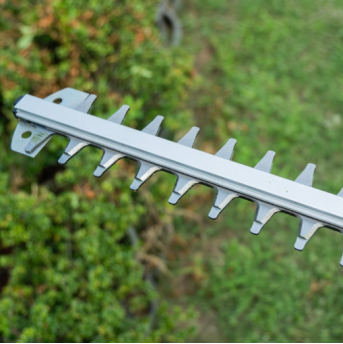
Step 2: Use a Flat File for Sharpening
A flat file is one of the most effective tools for sharpening hedge trimmer blades. Follow the original angle of the blade edge and gently file along the cutting surface. Always file in one direction and apply consistent pressure.
Work carefully along each blade tooth, ensuring that the edge becomes sharp without removing too much metal. Maintaining the original blade shape is important for optimal cutting performance.
Step 3: Remove Burrs with a Whetstone
After filing, small burrs may appear along the edge of the blade. These burrs should be removed using a whetstone. Lightly run the whetstone along the blade edge to smooth the surface and create a clean, sharp finish.
This step ensures the blade cuts smoothly and prevents rough edges that could damage plants.
Step 4: Protect the Blades from Corrosion
Once sharpening is complete, apply a resin solvent or protective solution to the blades. This helps restore corrosion protection and prevents rust from forming on the metal surface.
Proper blade protection keeps your hedge trimmer in good condition and ready for the next use.
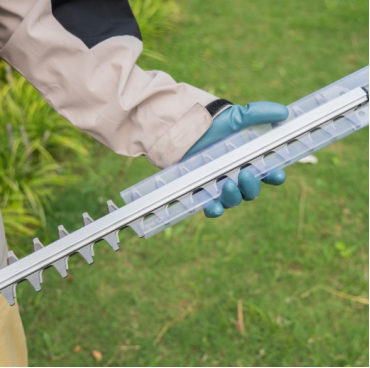
When to Seek Professional Help
If you are unsure about sharpening your hedge trimmer blades or do not have the right tools, it is best to contact a professional service technician or authorized dealer. Professional maintenance ensures the blades are sharpened correctly and safely.
For users of SENIX hedge trimmers, authorized dealers can provide expert support, maintenance, and advice to help keep your equipment operating at its best.
Conclusion
Sharpening hedge trimmer blades is a simple but important part of regular equipment maintenance. By cleaning the blades, using a flat file for sharpening, removing burrs with a whetstone, and applying corrosion protection, you can keep your hedge trimmer performing efficiently for years. Regular care ensures cleaner cuts, healthier plants, and a more reliable trimming experience.
-
senix@senix.co