

News
 (5.0)
(5.0)
Push Lawn Mower vs. Self-Propelled Mower
After more than a decade working with residential lawn equipment—ranging from compact suburban yards to demanding sloped properties—I can say with confidence that choosing the right lawn mower has far more impact on your mowing experience than most beginners expect. Among first-time buyers, one comparison comes up repeatedly: Push Lawn Mower vs. Self-Propelled Mower. On paper, the difference may look minor. In real-world use, however, it can determine whether mowing feels like light weekend maintenance or an exhausting chore.
This guide breaks down the differences clearly and practically, using real operating experience to help you make the right decision for your lawn and lifestyle.
How Each Mower Moves: Manual Push vs. Driven Wheels
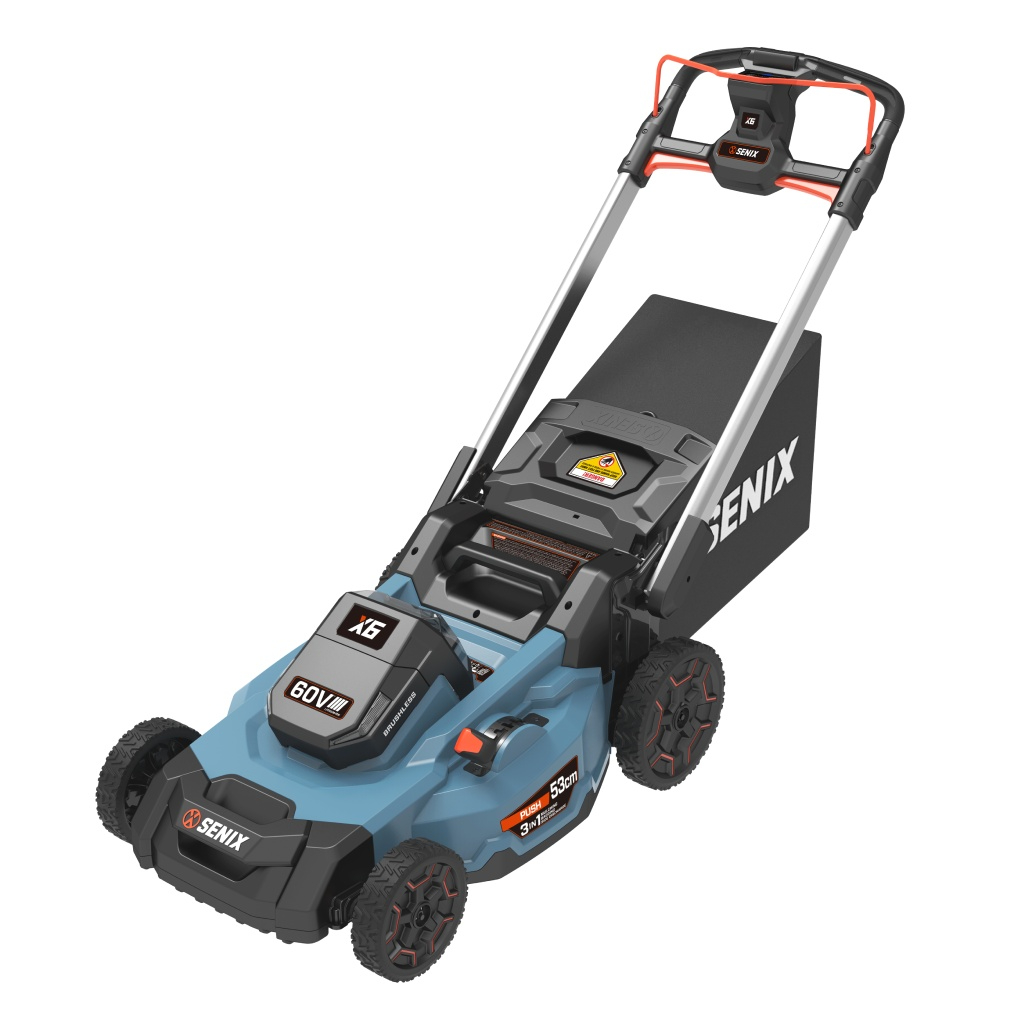
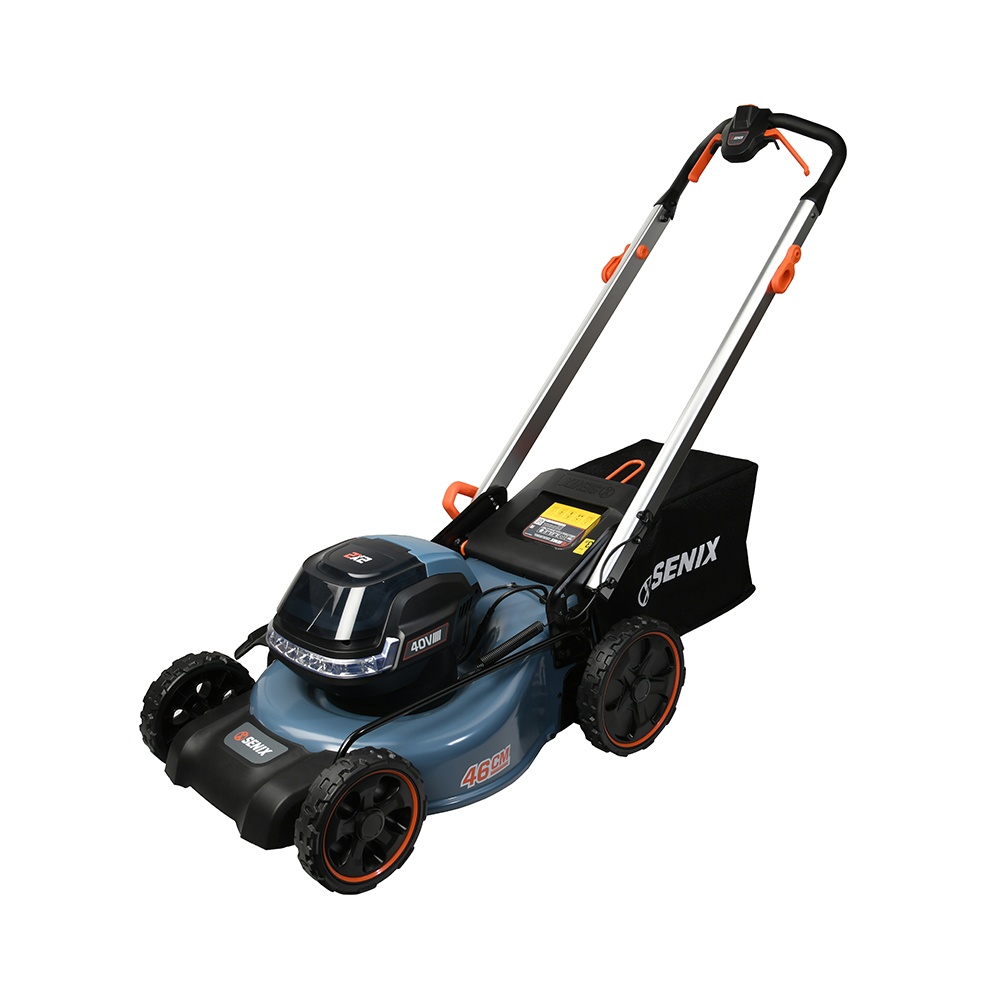
The most fundamental difference between a push lawn mower and a self-propelled mower lies in how the machine moves forward.
A push lawn mower relies entirely on human force for forward motion. The engine or electric motor powers only the cutting blade. Every step forward—on flat ground or otherwise—is generated by you. Mechanically, this design is simple, lightweight, and efficient.
A self-propelled mower, by contrast, uses a transmission system to drive the wheels. The engine or motor supplies power both to the blade and to the drivetrain. Once engaged, the mower moves forward on its own, and the operator mainly steers and controls speed.
From a professional standpoint, this difference affects not just effort, but also cut consistency, especially when mowing thicker grass where maintaining momentum matters.
Physical Effort and User Experience During Mowing
For beginners, this is often the most noticeable difference.
With a push mower, mowing becomes a mild to moderate physical workout. On short, dry grass and flat terrain, this can feel manageable and even satisfying. However, when grass is dense, damp, or overgrown, pushing resistance increases significantly. Over time, this leads to fatigue, especially for users mowing weekly during peak growing seasons.
A self-propelled lawn mower dramatically reduces physical strain. You are not pushing the full weight of the machine—only guiding it. This is particularly beneficial for:
Older homeowners
Users with limited upper-body strength
Anyone mowing for extended periods
From experience, many first-time buyers underestimate how quickly fatigue builds. What feels fine for 10 minutes can feel very different after 45 minutes under the sun.
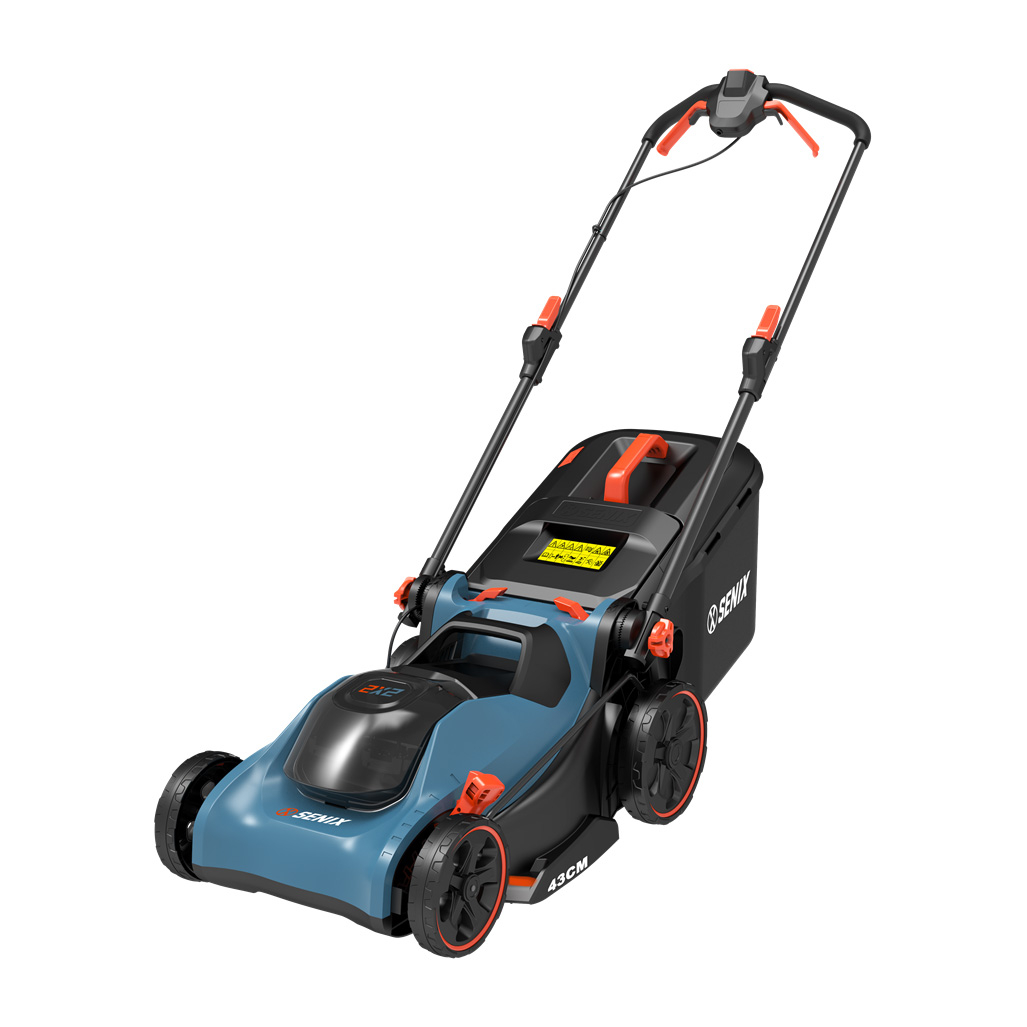
SENIX 40V Brushless 43cm(17") Self-Propelled Lawnmower
Performance on Different Lawn Sizes and Terrain Types
Matching mower type to lawn conditions is where many beginners make costly mistakes.
Push Lawn Mowers perform best when:
Lawn size is small (typically under 1/4 acre)
Terrain is flat and even
Grass is maintained regularly
Self-Propelled Mowers excel when:
Lawn size is medium to large
Terrain includes slopes or uneven ground
Grass grows thick or fast
On slopes, the difference is especially clear. Pushing a mower uphill repeatedly is inefficient and tiring. A self-propelled mower—particularly rear-wheel or all-wheel drive—maintains traction and forward momentum, resulting in safer and more controlled operation.
In professional lawn care, slope management alone often justifies choosing a self-propelled model.
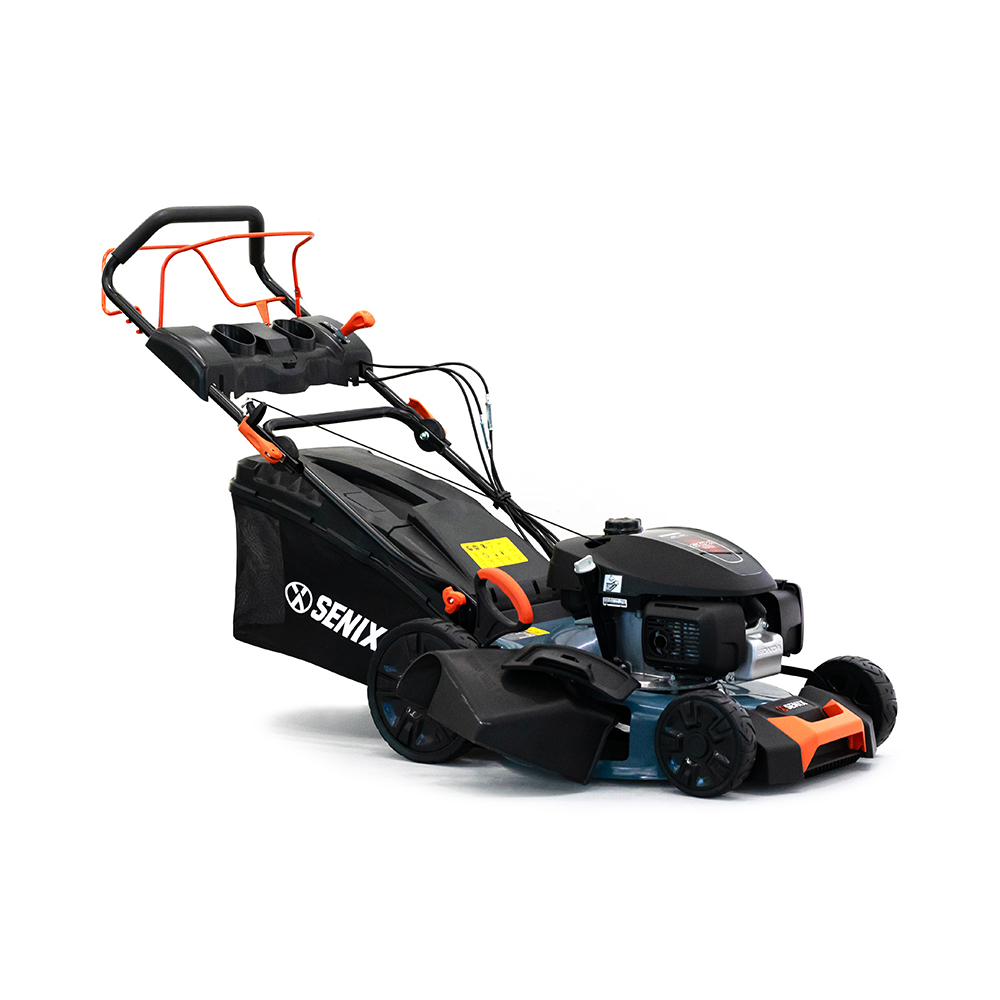
166cc 4-Stroke 51cm(20'') Self-Propelled Gas Lawn Mower
Cost, Maintenance, and Long-Term Ownership Value
Budget matters, but value over time matters more.
A push lawn mower typically has:
Lower upfront cost
Fewer mechanical components
Lower maintenance requirements
This makes it attractive for budget-conscious beginners or occasional users.
A self-propelled mower comes with:
Higher initial price
Added transmission and drive components
Slightly higher maintenance needs
However, in long-term ownership, many homeowners find the reduced physical strain and increased efficiency well worth the extra cost—especially if mowing is frequent or the lawn is challenging.
From my experience, buyers who “upgrade later” often spend more overall than those who choose the right mower from the start.
Which Mower Is Right for Your Lawn and Lifestyle
For beginners, the best choice is not about which mower is “better,” but which mower fits your real conditions.
Choose a Push Lawn Mower if:
Your lawn is small and flat
You prefer simplicity and low cost
You do not mind physical effort
Choose a Self-Propelled Mower if:
Your lawn is medium or large
You deal with slopes or thick grass
Comfort, efficiency, and long-term usability matter
After years of advising homeowners, the most satisfied users are those who chose based on terrain and personal comfort, not just price tags.
-
senix@senix.co