

News
 (5.0)
(5.0)
Snow Shovel vs. Snow Blower: What’s the Difference?
Snow removal is a seasonal task that many homeowners dread. As someone who has spent years clearing driveways, sidewalks, and commercial lots across heavy-snow regions, I can tell you this: choosing the right tool is not just about convenience—it's about safety, efficiency, and long-term cost.
In this article, I'll break down the key differences between a snow shovel and a snow blower, explain when each tool shines, and help you decide which one is right for your property.
How They Work: Shovel vs. Blower
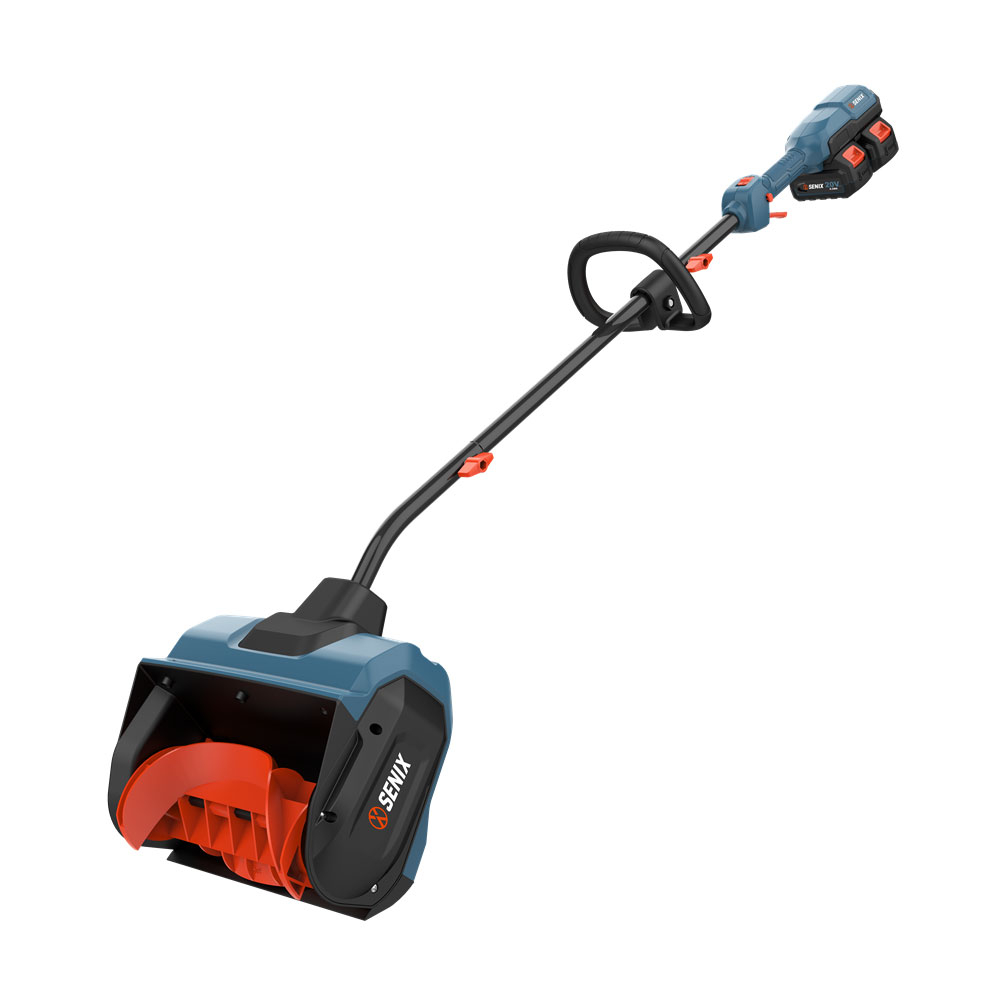
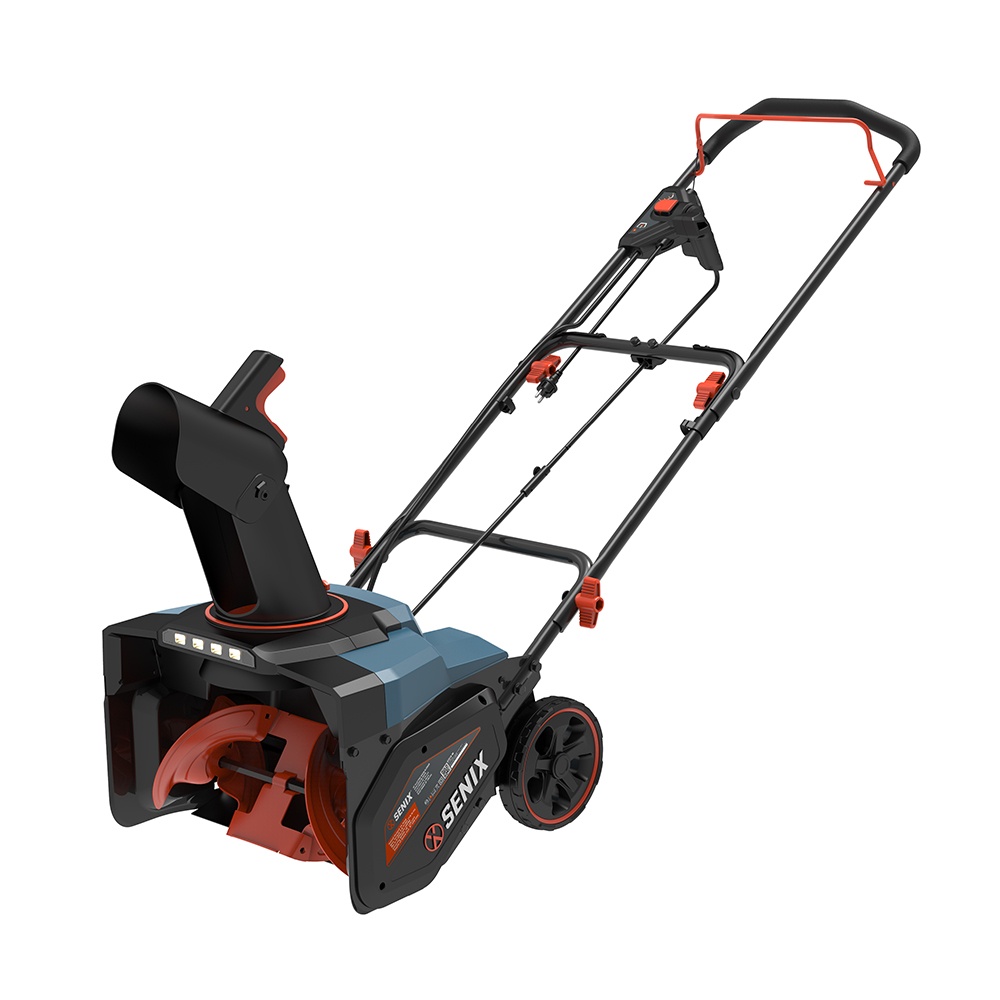
A snow shovel is the simplest snow removal tool: a person manually lifts and pushes snow away. It may sound basic, but the technique matters. Proper shoveling involves using your legs rather than your back, working in small sections, and avoiding overloading the shovel. A good shovel can be surprisingly effective on light to moderate snow and is extremely reliable because it has no moving parts.
A snow blower, on the other hand, is a powered machine that uses a rotating auger to scoop up snow and throw it through a discharge chute. There are several types, including single-stage, two-stage, and three-stage snow blowers, each designed for different snow conditions and property sizes. In general, a snow blower reduces physical strain and can clear snow much faster than a shovel, especially in deep or heavy conditions.
Snow Clearing Power: Which Handles Heavy Snow Better
If you live in a region with frequent heavy snowfall or wet snow, the snow blower is usually the superior choice. Here's why:
Single-stage snow blowers work best for light, powdery snow up to about 8–10 inches. They're compact and easy to maneuver.
Two-stage snow blowers can handle deeper snow and heavier loads because they have an auger and an impeller, giving them more throwing power.
Three-stage snow blowers are designed for extreme conditions and can handle deep, wet snow efficiently, making them ideal for large driveways and commercial use.
In contrast, a snow shovel is limited by human strength and endurance. It becomes increasingly inefficient as snow depth increases, especially with wet, heavy snow. Even a professional like me will choose a snow blower for a big snowfall because the machine maintains consistent performance without fatigue.
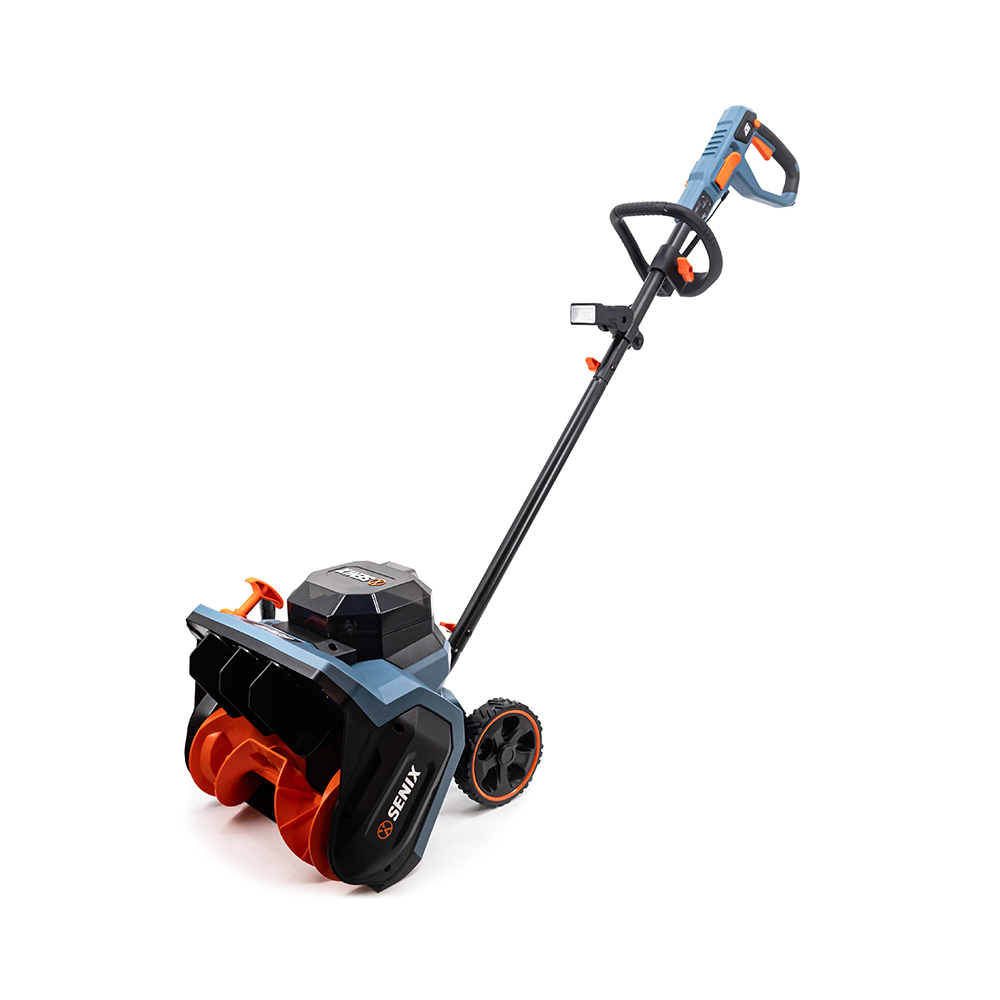
60V Brushless 38cm(15'') Snow Shovel
Cost & Maintenance: Which is Cheaper Long Term
The upfront cost is where the snow shovel shines. A good quality shovel can be purchased for under $50, while a snow blower can range from $300 to over $2,000 depending on the model and features.
However, the long-term cost of a snow blower includes:
Fuel or electricity
Oil changes and spark plug replacements
Belt and auger maintenance
Winter storage and winterizing
Repairs for wear and tear
A snow shovel has almost no maintenance cost, but it does come with hidden “costs” like physical fatigue, time spent clearing, and the increased risk of injury.
If you're clearing a small driveway and only experience light snow occasionally, a shovel is often the most economical choice. For frequent heavy snow, a snow blower may save you money in the long run by reducing time and injury risk.
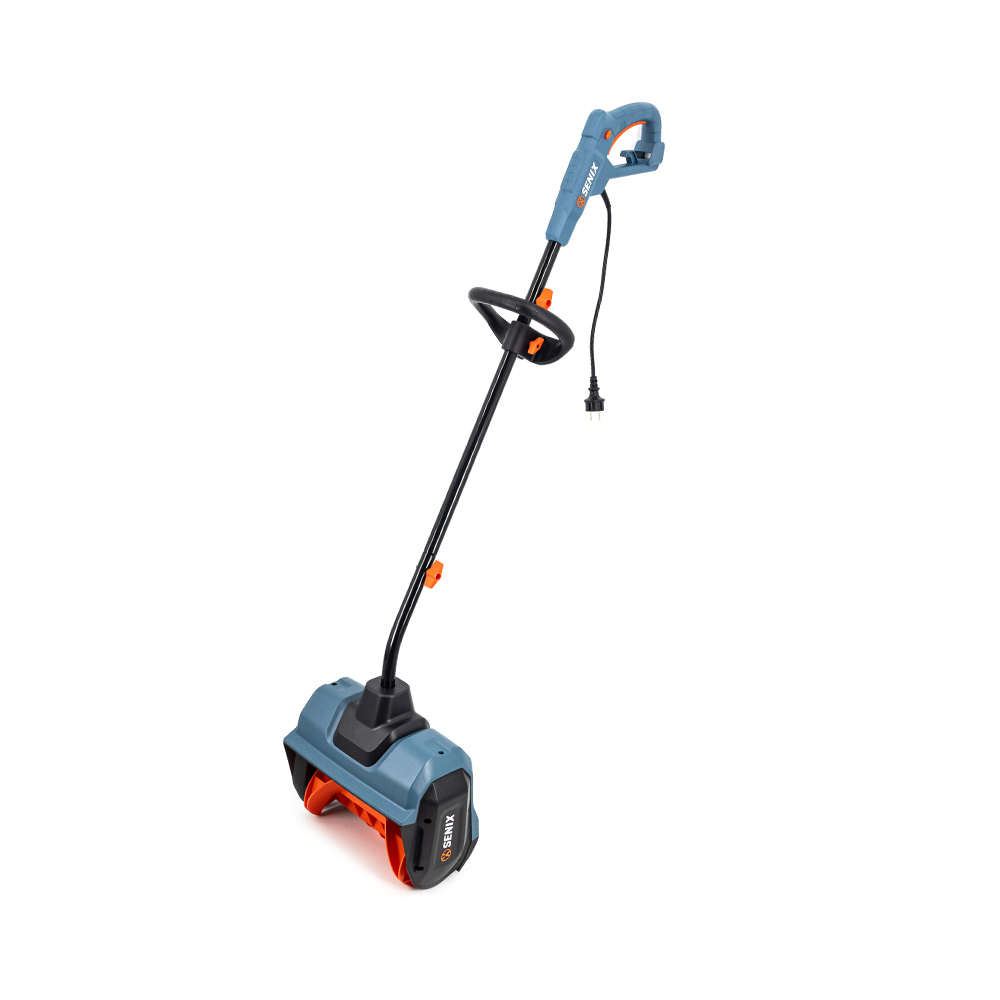
1400W 33cm(13'') Corded Electric Snow Shovel
Best Use Cases: Driveways, Sidewalks, Small Spaces
To make the best choice, consider your property layout and typical snow conditions:
Snow shovel is best for:
Small sidewalks and entryways
Tight spaces where a snow blower cannot reach
Light, powdery snow
Situations where you need precise control around landscaping, steps, or delicate surfaces
Snow blower is best for:
Large driveways and long walkways
Heavy snowfall regions
Wet, compacted snow that is difficult to lift
Clearing quickly and efficiently without excessive physical strain
From experience, I've learned that many homeowners benefit from using both tools: a snow blower for the main areas and a shovel for detail work around doors, stairs, and tight corners.
How to Choose: Which Tool Fits You
Here's a practical checklist to help you choose:
Snowfall amount: If you get more than 8–10 inches regularly, a snow blower is usually worth it.
Snow type: Wet, heavy snow is harder to shovel and better handled by a blower.
Property size: Large driveways and long sidewalks favor a blower.
Physical ability: If you have back or heart concerns, a blower is safer.
Budget: If you want the cheapest option and snow is light, a shovel works fine.
Storage space: Snow blowers require more storage room and winter maintenance.
If you still feel uncertain, think of it this way: a snow shovel is a reliable tool for small jobs, while a snow blower is a productivity machine for serious snowfall. Most homeowners find the best solution is a combination of both.
-
senix@senix.co