

 (5.0)
(5.0)
How to Maintain Your Hedge Trimmer for Optimal Performance and Longer Blade Life
Whether you're using a SENIX 20V model or any high-speed brushed motor trimmer, follow this pro guide to extend your tool's life and keep your hedges looking sharp.
Why Blade Maintenance Matters
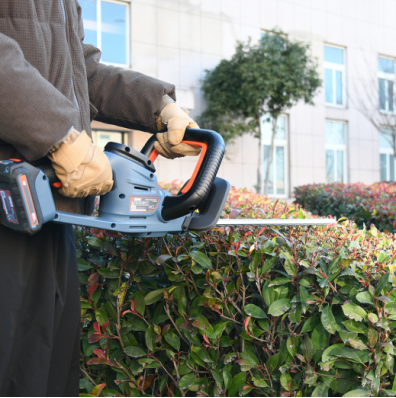
Equipped with 18" (467mm) dual-action blades and a 2300 SPM no-load speed, the SENIX 20V cordless hedge trimmer ensures smooth, efficient cutting performance on branches up to 20mm in diameter.
Modern hedge trimmers are built for speed and precision. With dual-action blades moving at high strokes per minute, they’re designed to cut efficiently and reduce vibration.
However, neglected blades can lead to:
Reduced battery efficiency
Rough, uneven cuts that stress plants
Overheating and premature gear wear
Shortened motor lifespan
Regular hedge trimmer maintenance isn’t just about performance, it protects your investment.
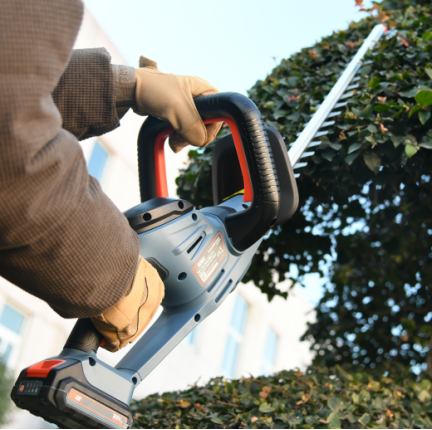
Step 1: Clean the Blades After Every Use
Cleaning your hedge trimmer blades after every use is the single most important habit you can build.
1. Remove the Battery First
Always remove the battery before touching the blades. Safety comes first.
2. Remove Debris and Sap
Use a stiff brush to remove leaves and small debris.
If sap has built up, wipe the blades with a cloth dampened with warm soapy water or a mild solvent designed for garden tools.
Dried sap increases friction and forces your motor to work harder.
3. Dry Completely
Moisture leads to rust. Wipe the blades completely dry before storing your trimmer.
If you see light surface rust forming, remove it early with a fine abrasive pad.
Step2:How to Oil a Hedge Trimmer
After cleaning:
Apply a thin layer of light machine oil along both sides of the blades.
Reinstall the battery.
Run the trimmer for 5–10 seconds to distribute the oil evenly between the dual-action teeth.
Proper lubrication:
Reduces wear
Improves cutting efficiency
Extends blade life
Helps maximize battery runtime
If you’re using a 20V cordless hedge trimmer with a 2.5Ah battery, sharp and lubricated blades can significantly improve real-world runtime.

Step 3: Sharpen When Needed
Over time, blade edges can become rounded or slightly bent.
Signs It’s Time to Sharpen:
Branches are tearing instead of cutting cleanly
You need multiple passes for thin stems
The motor sounds strained
You can sharpen hedge trimmer blades with a flat file, maintaining the original bevel angle. Work carefully and consistently across each cutting tooth.
If the blades are severely damaged, replacing them may be more cost-effective.
Step 4: Store Properly
Proper storage prevents premature wear.
Environment: Store in a dry, ventilated area between -15°C and 40°C.
The Scabbard: Always use the blade cover. It protects the laser-cut edges from dulling against other tools in your shed.
Additional Maintenance Tips
Avoid cutting branches thicker than 20mm to prevent motor overload.
Monitor runtime performance; significant reduction may indicate blade friction or battery aging.
Ensure aluminum blade support remains secure and undamaged.
Check safety certifications and mechanical components periodically.
Conclusion
Consistent blade cleaning, lubrication, inspection, and proper storage are essential for maintaining your cordless hedge trimmer’s cutting precision and longevity.
With minimal routine care, a lightweight 20V hedge trimmer with dual-action laser blades can deliver reliable performance across residential hedges, ornamental shrubs, and seasonal landscaping tasks—year after year.
-
senix@senix.co