

 (5.0)
(5.0)
5 Essential Safety Features of Electric & Cordless Chainsaws
The rise of cordless and electric chainsaws has revolutionized wood cutting. They are quieter, lighter, and require far less maintenance than their gas-powered counterparts. However, many users especially beginners make the dangerous mistake of assuming that "electric" means "less dangerous."
In reality, electric chainsaws pose unique risks. They deliver instant torque (meaning the chain hits full speed immediately) and operate silently when idling, which can catch operators off guard.
To mitigate these risks, manufacturers integrate specific safety systems. Whether you are using a battery-powered SENIX or a corded model, understanding these 5 electric chainsaw safety features is critical for preventing accidents.
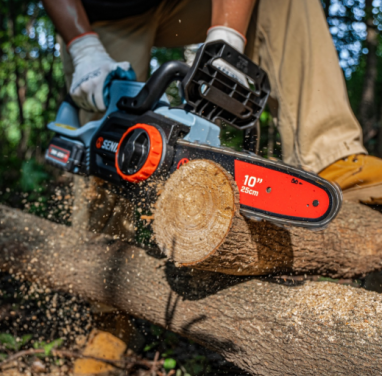
1. Mechanical & Electronic Chain Brakes
Just like gas saws, electric chainsaws feature a front hand guard that acts as a mechanical chain brake.
Inertia Activation: If kickback occurs, the force snaps the guard forward, stopping the chain.
Manual Activation: You can push it forward to lock the chain manually.
The Electric Advantage: Many modern electric models also include an Electronic Motor Brake. When you release the trigger, this system reverses the current or applies resistance to stop the chain almost instantly (usually under 1 second). On older gas saws, the chain might "coast" for a few moments; on a good electric saw, letting go of the trigger stops the danger immediately.
Safety Check: Before cutting, run the saw, release the trigger, and ensure the chain stops dead instantly. Then, test the mechanical brake by pushing the guard forward.
2. Trigger Safety Lockout
On a gas chainsaw, the noise of the idling engine constantly reminds you that the tool is "live." Electric chainsaws are silent when on. This creates a huge risk: if you accidentally grab the handle and squeeze the trigger while moving the saw, it will start cutting immediately.
To prevent this, electric chainsaws rely heavily on a Trigger Safety Lockout.
This is typically a button or lever on the side or top of the rear handle.
You must depress this lockout button before the main trigger will work.
Why it matters: It forces you to have a deliberate, firm grip on the handle before the motor engages, preventing accidental startups when carrying the tool.
3. Intelligent Overload Protection
In high-performance electric chainsaws, Overload Protection serves as a vital digital safety net. Unlike gas engines that might simply stall, an electric motor can draw excessive current if the chain gets pinched or forced through hard material.
How it works: Sensors monitor the motor's temperature and current draw. If the system detects a potential stall or overheating, it automatically cuts power to the motor.
Why it matters: This prevents the motor from burning out and, more importantly, reduces the risk of the chain snapping under extreme stress, which is a primary cause of high-speed debris injuries.
4. Rear Hand Guard
The rear handle of your electric chainsaw is designed with a widened bottom flange. This acts as a Rear Hand Guard.
1. Whiplash Protection: If the chain breaks and gets past the catcher, this guard shields your right hand.
2. Brush Deflector: It protects your knuckles from scraping against branches or the ground when making low cuts.
5. The "Ultimate" Stop: Battery Removal or Unplugging
Gas saws have a kill switch. Electric saws have an On/Off button. But the most effective safety feature of a cordless chainsaw is the removable battery.
Because electric motors have instant torque, the only way to be 100% safe during maintenance (like tightening the chain or clearing debris) is to physically disconnect the power source.
For Cordless: Remove the battery pack.
For Electric: Unplug the cord.
Golden Rule: Never touch the chain, tensioner, or bar while the battery is inserted or the cord is plugged in. A bumped trigger can result in instant injury.
Bonus: Low-Kickback Bar & Chain
Because electric chainsaws are often marketed to homeowners, they almost always come standard with Low-Kickback Chains and Small-Radius Guide Bars.
These components are designed to limit how much "bite" the chain can take at the tip of the bar, significantly reducing the force of a kickback event.
Conclusion: Respect the Instant Power
Electric and cordless chainsaws offer incredible convenience, but they demand respect. The silence of the motor can be deceptive.
By understanding features like the electronic brake and trigger lockout, and making it a habit to remove the battery whenever you aren't cutting, you can enjoy the efficiency of electric power without compromising on safety.
-
senix@senix.co